Medical Cannabis Soilless Cultivation Compliance Guide and UPuper Substrate Selection Recommendations Views: 146
Medical cannabis cultivation has rapidly expanded worldwide as more countries and regions legalize its medical use. However, medical-grade cannabis production requires strict regulatory compliance, standardized cultivation environments, and consistent product quality.
Traditional soil cultivation often introduces uncontrollable factors such as pathogens, nutrient imbalance, and inconsistent growth conditions. For this reason, soilless cultivation systems—particularly hydroponic systems using rockwool substrates—have become the preferred method for professional medical cannabis growers.
This guide explains the compliance requirements for medical cannabis cultivation and provides substrate selection recommendations, highlighting the advantages of UPuper rockwool growing media.
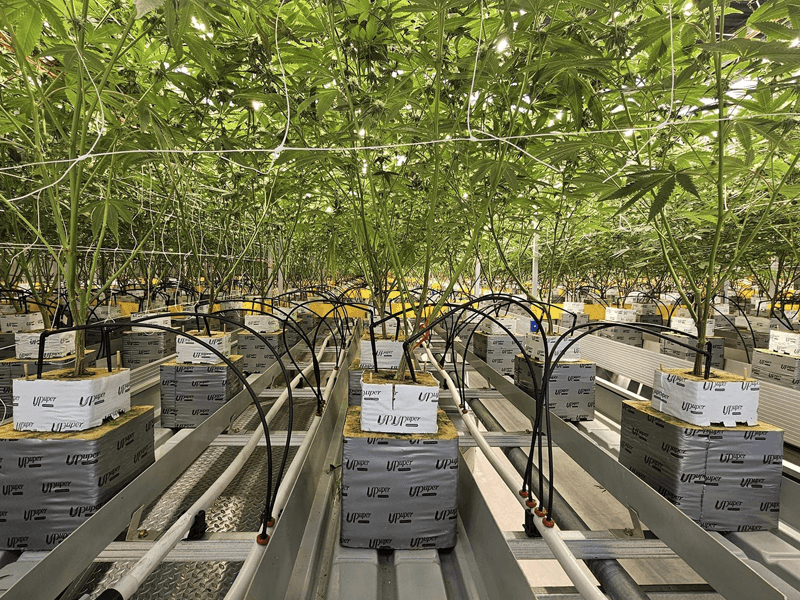
Why Soilless Cultivation is Preferred for Medical Cannabis
Medical cannabis must meet pharmaceutical-grade quality standards, including strict control over contaminants, heavy metals, pesticide residues, and microbial levels.
Soilless cultivation systems help growers meet these requirements by providing a clean and controlled root environment.
Key advantages of soilless cannabis cultivation include:
· Precise nutrient management
· Reduced risk of soil-borne diseases
· Consistent plant growth
· Improved yield and cannabinoid consistency
· Easier compliance with regulatory standards
Hydroponic systems combined with inert substrates such as rockwool allow growers to precisely control irrigation, nutrient supply, and oxygen levels in the root zone.
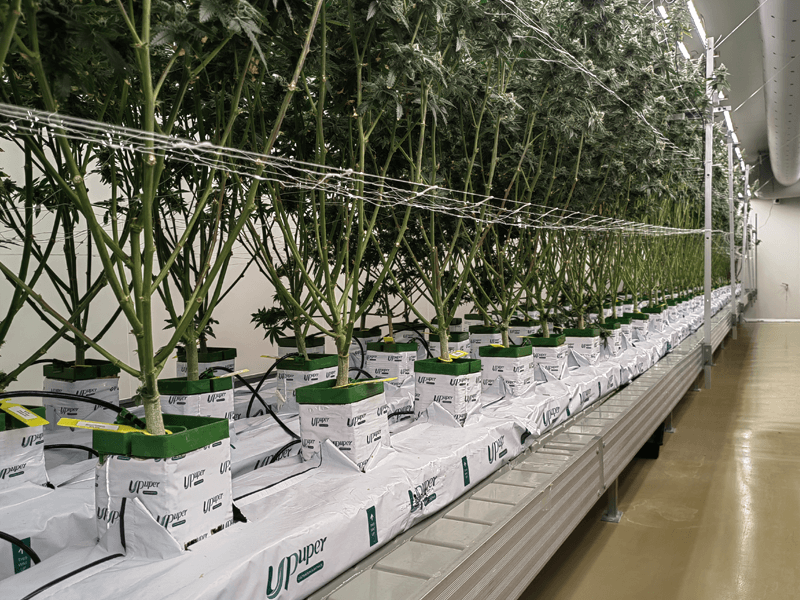
Compliance Requirements for Medical Cannabis Cultivation
Medical cannabis production is typically regulated under pharmaceutical or agricultural laws. Compliance requirements vary by region but usually include the following key standards.
1. Controlled Cultivation Environment
Licensed producers must maintain controlled indoor or greenhouse environments to ensure:
· Stable temperature and humidity
· Controlled lighting conditions
· Pest and pathogen prevention
· Traceable cultivation processes
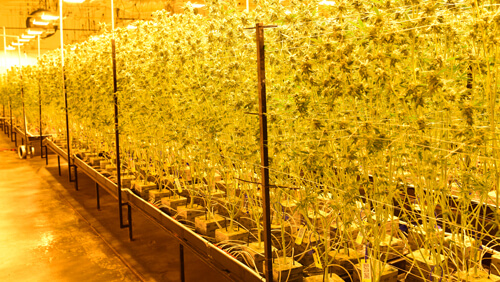
Hydroponic systems are widely used because they allow standardized production conditions.
2. Clean and Contaminant-Free Growing Media
Growing substrates must meet strict cleanliness requirements to prevent contamination.
Ideal substrates should be:
· Sterile or pathogen-free
· Chemically inert
· Free from heavy metals
· Consistent in structure and performance
Rockwool substrates are widely accepted in commercial cannabis facilities because they meet these standards.
3. Water and Nutrient Control
Medical cannabis production requires precise nutrient delivery to maintain plant health and cannabinoid stability.
Hydroponic systems allow growers to control:
· Electrical conductivity (EC)
· pH levels
· Irrigation frequency
· Nutrient concentration
Using high-quality substrates helps maintain stable root-zone conditions.
4. Traceability and Standardization
Regulatory authorities require complete traceability from cultivation to final product.
Standardized growing systems improve consistency in:
· Plant growth cycles
· Yield per plant
· Cannabinoid content
· Harvest quality
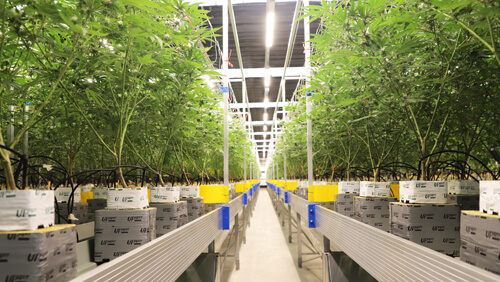
This is one reason large-scale cannabis facilities often adopt rockwool slab systems.
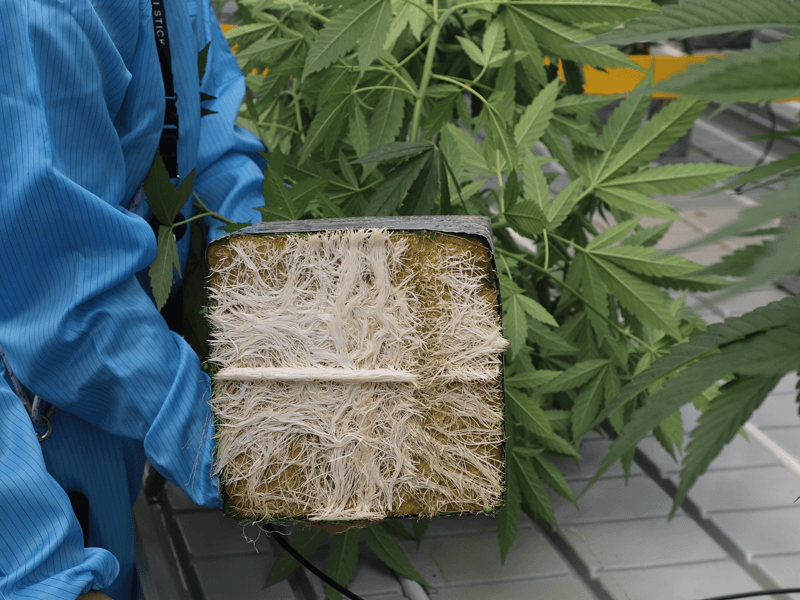
Why Rockwool is Ideal for Medical Cannabis Cultivation
Rockwool has become one of the most widely used substrates in professional cannabis cultivation facilities.
It offers several advantages compared to soil or organic substrates.
Excellent Water Retention
Rockwool can retain large amounts of water while maintaining proper air space for roots. This ensures plants receive both oxygen and moisture, which promotes strong root development.
Uniform Structure
Unlike soil or coco coir, rockwool has a consistent fiber structure, ensuring uniform water distribution and nutrient absorption across the entire crop.
This helps growers achieve uniform plant growth, which is essential for medical cannabis production.
Clean and Inert
Rockwool is manufactured from natural basalt rock and is chemically inert. It does not release harmful substances and does not interact with nutrient solutions.
This makes it highly suitable for pharmaceutical-grade cultivation environments.
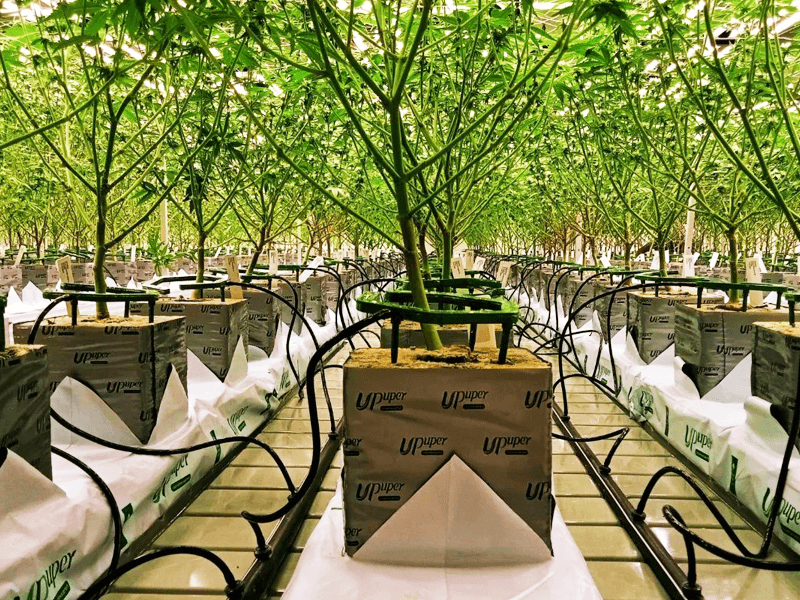
Selecting the right substrate is critical for achieving stable yields and maintaining compliance with medical cannabis regulations.
UPuper rockwool growing media is designed specifically for hydroponic crop production, including high-value crops such as cannabis.
Key features of UPuper substrates include:
Optimized Water–Air Balance
UPuper rockwool products are engineered to maintain an ideal water-to-air ratio, supporting vigorous root development and healthy plant growth.
Stable Fiber Structure
The uniform fiber structure ensures even water distribution and consistent root penetration, improving overall crop uniformity.
High Water Absorption Capacity
UPuper substrates provide strong water retention while maintaining excellent drainage, allowing growers to optimize irrigation strategies.
Suitable for Multiple Growing Systems
UPuper rockwool can be used in various hydroponic systems, including:
· Drip irrigation systems
· Slab cultivation systems
· Block and cube propagation systems
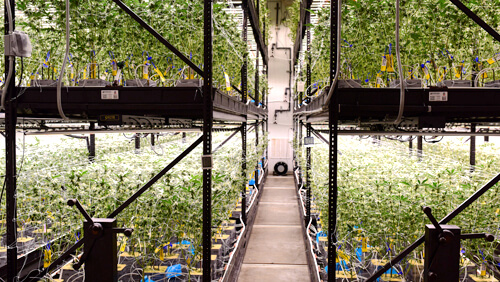
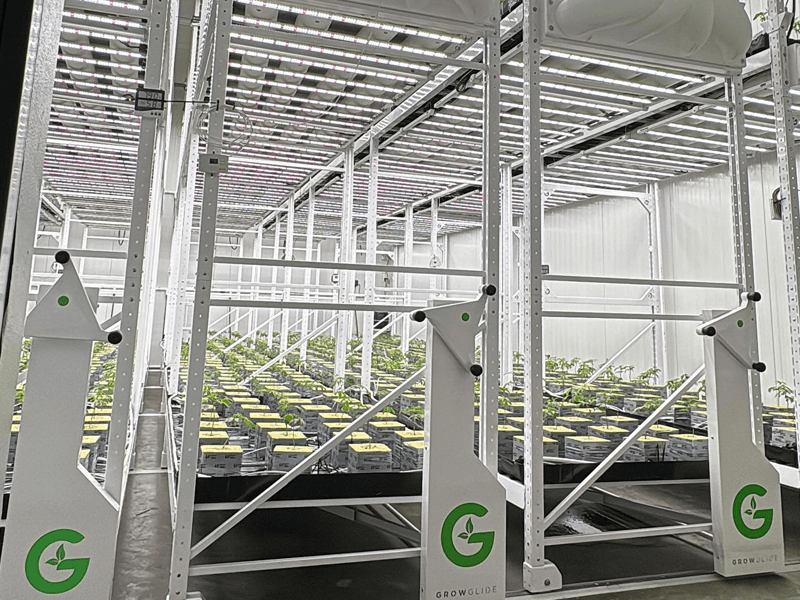
· Vertical farming setups
These systems are commonly used in modern medical cannabis cultivation facilities.
Best Practices for Using Rockwool in Cannabis Cultivation
To maximize the benefits of rockwool substrates, growers should follow several best practices.
Pre-soaking and pH Adjustment
Before planting, rockwool should be soaked in nutrient solution adjusted to pH 5.5–6.0 to stabilize the substrate.
Controlled Irrigation
Drip irrigation systems should be carefully managed to maintain optimal moisture levels without oversaturation.
Monitoring EC and pH
Regular monitoring ensures the root environment remains stable and supports healthy plant growth.
Proper Root Zone Drainage
Ensuring proper drainage prevents root diseases and maintains oxygen availability.
The Future of Medical Cannabis Cultivation
As the global medical cannabis industry continues to grow, cultivation technologies are becoming more advanced and standardized.
Professional growers increasingly rely on:
· hydroponic cultivation systems
· automated irrigation control
· climate-controlled environments
· high-performance substrates such as rockwool
These technologies help ensure consistent product quality, regulatory compliance, and high yields.
Conclusion
Medical cannabis cultivation requires strict control over every aspect of production, from environmental management to substrate selection.
Soilless cultivation systems using rockwool substrates provide growers with the precision and consistency needed to meet pharmaceutical-grade standards.
With its optimized fiber structure, excellent water retention, and clean growing environment, UPuper rockwool substrate offers a reliable solution for modern cannabis cultivation.
As the medical cannabis industry continues to expand, adopting professional hydroponic systems and high-quality substrates will remain essential for achieving sustainable, compliant, and high-yield production.
FAQ: Medical Cannabis Soilless Cultivation
What is the best substrate for medical cannabis cultivation?
The best substrates for medical cannabis cultivation are inert and sterile growing media that allow precise control of water and nutrients. Rockwool is widely used in professional hydroponic systems because it offers excellent water retention, good aeration, and consistent root development.
Many commercial cannabis facilities choose rockwool substrates such as UPuper growing media to maintain stable production conditions and meet regulatory requirements.
Why is soilless cultivation preferred for medical cannabis?
Soilless cultivation systems help growers maintain clean and controlled root environments. Compared to soil, hydroponic systems reduce the risk of pathogens, pests, and contaminants.
They also allow precise control of nutrient levels, irrigation frequency, and root-zone oxygen, which improves plant health and yield consistency.
Is rockwool safe for cannabis cultivation?
Yes. Rockwool is produced from natural basalt rock and is chemically inert. It does not release harmful substances and does not affect nutrient solutions.
Because of its clean and stable properties, rockwool is widely used in commercial greenhouse cultivation, including vegetables, flowers, and medical cannabis.
How does rockwool improve cannabis root development?
Rockwool has a unique fiber structure that creates an ideal balance between water retention and air space. This allows roots to receive both moisture and oxygen, which promotes faster root growth and healthier plants.
Healthy root systems help cannabis plants achieve better nutrient uptake and higher yields.
Can UPuper rockwool be used in hydroponic cannabis systems?
Yes. UPuper rockwool substrates are designed for hydroponic cultivation systems and are suitable for various growing methods, including:
· drip irrigation systems
· slab cultivation systems
· propagation cubes
· vertical farming systems
These systems are widely used in professional cannabis cultivation facilities.
For growers interested in professional hydroponic cultivation and UPuper rockwool substrates, please visit the official UPuper website:
🌐 www.upupergrow.com
Here you can find detailed product specifications, cultivation guides, and contact information for support.






 Return